
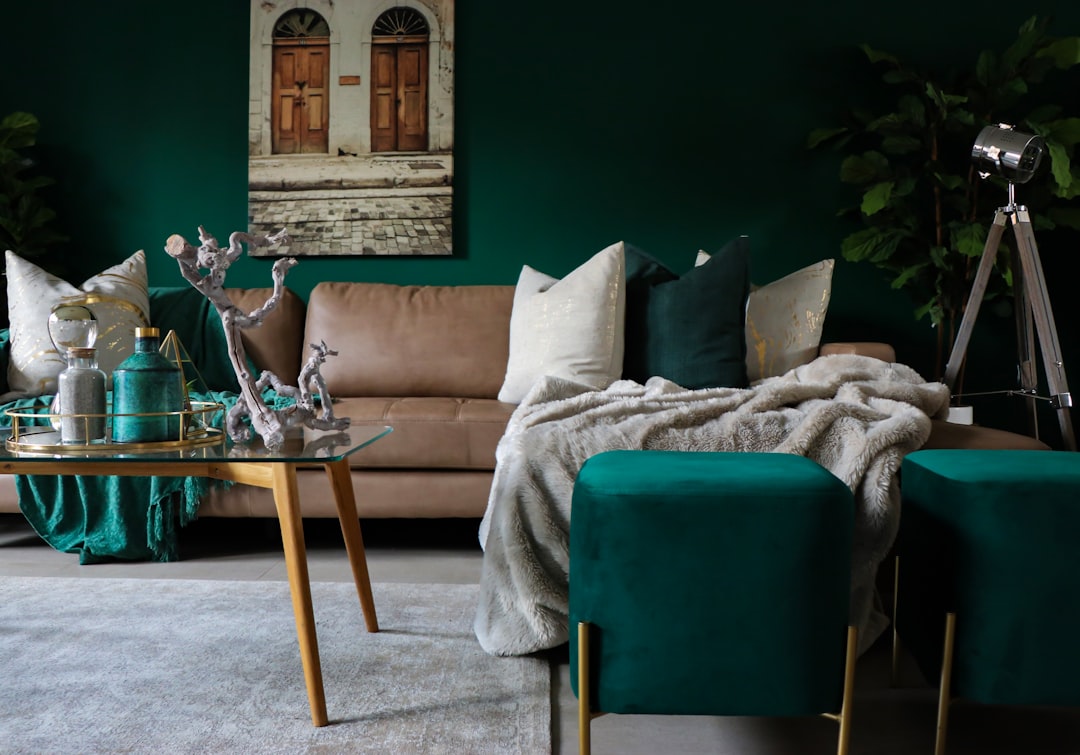
How to Choose the Perfect Color Palette for Your Home

Choosing the perfect color palette for your home is a crucial step in creating a space that reflects your personality and meets your needs. Many homeowners struggle with this decision, often feeling overwhelmed by the vast array of colors available. Understanding the principles of color theory and how colors interact can simplify this process and lead to a harmonious home environment.
Myth: Any Color Can Work Together
One common misconception is that any color can be paired together without any issues. This myth can lead to disastrous results, as clashing colors can create a chaotic and uncomfortable atmosphere. The truth is that colors have specific relationships with one another, and understanding these relationships is key to creating a cohesive look in your home.
When selecting colors, consider using a color wheel to identify complementary, analogous, and triadic color schemes. Complementary colors are opposite each other on the wheel and create a vibrant contrast, while analogous colors sit next to each other and provide a more harmonious feel. By utilizing these principles, you can ensure that your chosen palette enhances the overall aesthetic of your space.
Truth: Neutral Colors Are Versatile
Another myth is that neutral colors are boring and lack personality. In reality, neutral colors serve as a versatile foundation for any room and can be incredibly stylish. They allow for flexibility in decorating and can easily be paired with bolder accent colors to create a dynamic look.
Using a neutral palette can also make your space feel larger and more open, which is particularly beneficial in smaller homes. By incorporating various textures and materials in neutral tones, you can add depth and interest without overwhelming the space with color. This approach allows you to express your style while maintaining a timeless and elegant look.
Understanding the Psychology of Color
The colors you choose for your home can significantly impact your mood and well-being. Different colors evoke different emotions; for example, blue is often associated with calmness and tranquility, while yellow can inspire happiness and energy. Understanding the psychology of color can help you select hues that align with the atmosphere you wish to create in each room.
When designing spaces like bedrooms or living rooms, consider using softer, cooler colors to promote relaxation. In contrast, vibrant colors can be used in areas meant for social interaction, such as dining rooms or kitchens, to stimulate conversation and energy. By being mindful of the emotional effects of color, you can create a home that not only looks beautiful but also feels right for you and your family.
Practical Steps to Choose Your Palette
To begin selecting your color palette, start by gathering inspiration from various sources such as magazines, websites, or even nature. Create a mood board that includes colors, textures, and images that resonate with you. This visual representation will help you identify patterns and preferences that can guide your choices.
Once you have a clear idea of the colors you love, test them in your space. Paint swatches on the walls and observe how they look at different times of the day. Lighting can drastically change the appearance of colors, so it’s essential to see how your chosen hues interact with your home’s natural light. This step will ensure that you are satisfied with your selections before committing to a full paint job.
Final Thoughts on Color Selection
Choosing the perfect color palette for your home is not just about aesthetics; it’s about creating a space that feels right for you. By debunking common myths and understanding the principles of color theory, you can make informed decisions that enhance your living environment. Remember that your home should reflect your personality and lifestyle, so don’t be afraid to experiment with different colors and combinations.
Ultimately, the goal is to create a cohesive and inviting atmosphere that you and your guests will enjoy. Take your time in the selection process, and trust your instincts. With the right color palette, your home can become a true reflection of who you are and a sanctuary that brings you joy every day.