
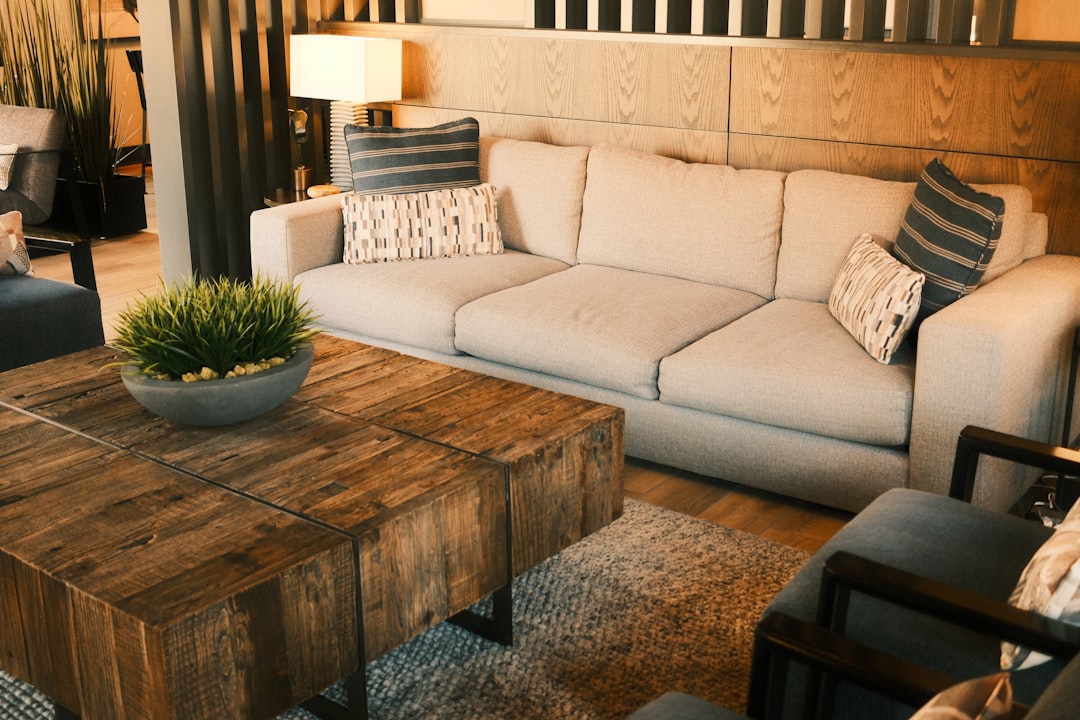
The Art of Layering Textures in Home Decor to Enhance Style

Layering textures in home decor is an essential technique that can transform a space from ordinary to extraordinary. By combining various materials, colors, and patterns, you can create depth and interest in your home. This approach not only enhances the aesthetic appeal but also adds a tactile dimension that invites interaction. Whether you are redecorating a single room or your entire home, understanding how to layer textures effectively can elevate your design game.
Understanding Texture in Home Decor
Texture refers to the surface quality of materials and how they feel to the touch. In home decor, it plays a crucial role in creating a cohesive and inviting atmosphere. Different textures can evoke various emotions and set the mood of a space. For instance, soft textiles like velvet and cotton can create a warm and cozy environment, while sleek metals and glass can impart a modern and sophisticated feel.
When layering textures, consider the balance between hard and soft surfaces. A room filled with only soft textures may feel too casual, while an abundance of hard surfaces can create a cold and uninviting space. The key is to find harmony by mixing these elements thoughtfully, ensuring that each texture complements the others while contributing to the overall design narrative.
Choosing the Right Textures
To begin layering textures, start by selecting a base texture that will serve as the foundation for your design. This could be a large piece of furniture, such as a sofa or a rug, that sets the tone for the room. From there, you can introduce additional textures through accessories like throw pillows, blankets, and artwork. Consider incorporating a variety of materials, such as wood, metal, fabric, and ceramics, to create a rich and dynamic environment.
It’s also important to pay attention to the color palette when choosing textures. Neutral colors can provide a versatile backdrop that allows textured elements to shine, while bold colors can make a statement. Experiment with different combinations to see what resonates with your personal style and enhances the overall aesthetic of your space.
Practical Applications of Layering Textures
Layering textures can be applied in various areas of your home, from the living room to the bedroom. In the living room, consider using a combination of a plush sofa, a woven throw, and a mix of patterned cushions to create a cozy yet stylish seating area. Adding a textured coffee table or a decorative basket can further enhance the visual interest and functionality of the space.
In the bedroom, layering textures can create a serene and inviting retreat. Start with a soft duvet cover and add a chunky knit blanket at the foot of the bed. Incorporate various pillow textures, such as silk, linen, and cotton, to create a luxurious feel. Don’t forget to include a textured area rug that ties the room together and adds warmth underfoot.
Step-by-Step Plan for Layering Textures
Step 1: Identify the main texture you want to use as your base. Step 2: Choose complementary textures that enhance the base without overwhelming it. Step 3: Experiment with different combinations and arrangements to find the perfect balance. Step 4: Finalize your design by adding decorative accessories that tie the textures together.
Building Trust Through Thoughtful Design
When it comes to home decor, thoughtful design can significantly impact how a space is perceived and experienced. By layering textures, you not only enhance the visual appeal but also create an environment that feels welcoming and comfortable. This approach demonstrates a commitment to quality and attention to detail, which can build trust with guests and family alike.
Moreover, investing time in understanding how to layer textures effectively can lead to a more satisfying and personalized home. It allows you to express your unique style while ensuring that your space remains functional and inviting. Remember, the art of layering textures is not just about aesthetics; it’s about creating a home that reflects who you are and how you want to live.